Today for community impact day we were planting seeds. We first did research about seeds and what ones can grow in the autumn and winter. Then we chooses a selected few to plant. We went outside and put some soil in some egg cartons. After we put our seeds into the egg cartons and we were done.
Wednesday, 20 March 2019

Tuesday, 19 March 2019
Making serbet
Making Sherbet
Using the following recipe you need to make sherbet.
Sherbet recipe
Recipe:
Recipe:
1tsp of powdered drink crystals (eg refresh)
1/4 tsp citric acid
1/4 tsp tartaric acid
1/4 tsp -baking soda.
Put all ingredients into a zip lock bag, stir, and enjoy.
Materials:
1. Baking soda
2. Powdered drink crystals
3. Citric acid
4. Tartaric acid
5. plastic bag
Findings:
Sherbet
| |
Taste
| Sour / bitter |
Colour
| Pink |
Conclusion
The sherbet is very easy to make and not time consuming. But in my opinion it was not worth it. The taste was very sour and bitter.
What is that white powder?
Today you will be a forensic chemist.
A bag of white powder has been confiscated by the airport customs. You need to find out what white powder it is?
Aim: To learn about the makeup of different white powders.
There are a number of different white powders in our everyday life. Some of these are harmful and others are not. Test the four white powders listed to see which one has been found at the airport.
Here are some examples of everyday kitchen white powders.
Flour
Cornflour
Sugar
Salt
Baking Soda
Baking Powder
Icing Sugar
Tartaric Acid
Citric Acid
Gluten Free flour
Materials
1. Sugar
2. Salt
3. Baking Soda
4. Cornflour
5. Pipette
6. Iodine
7. Vinegar
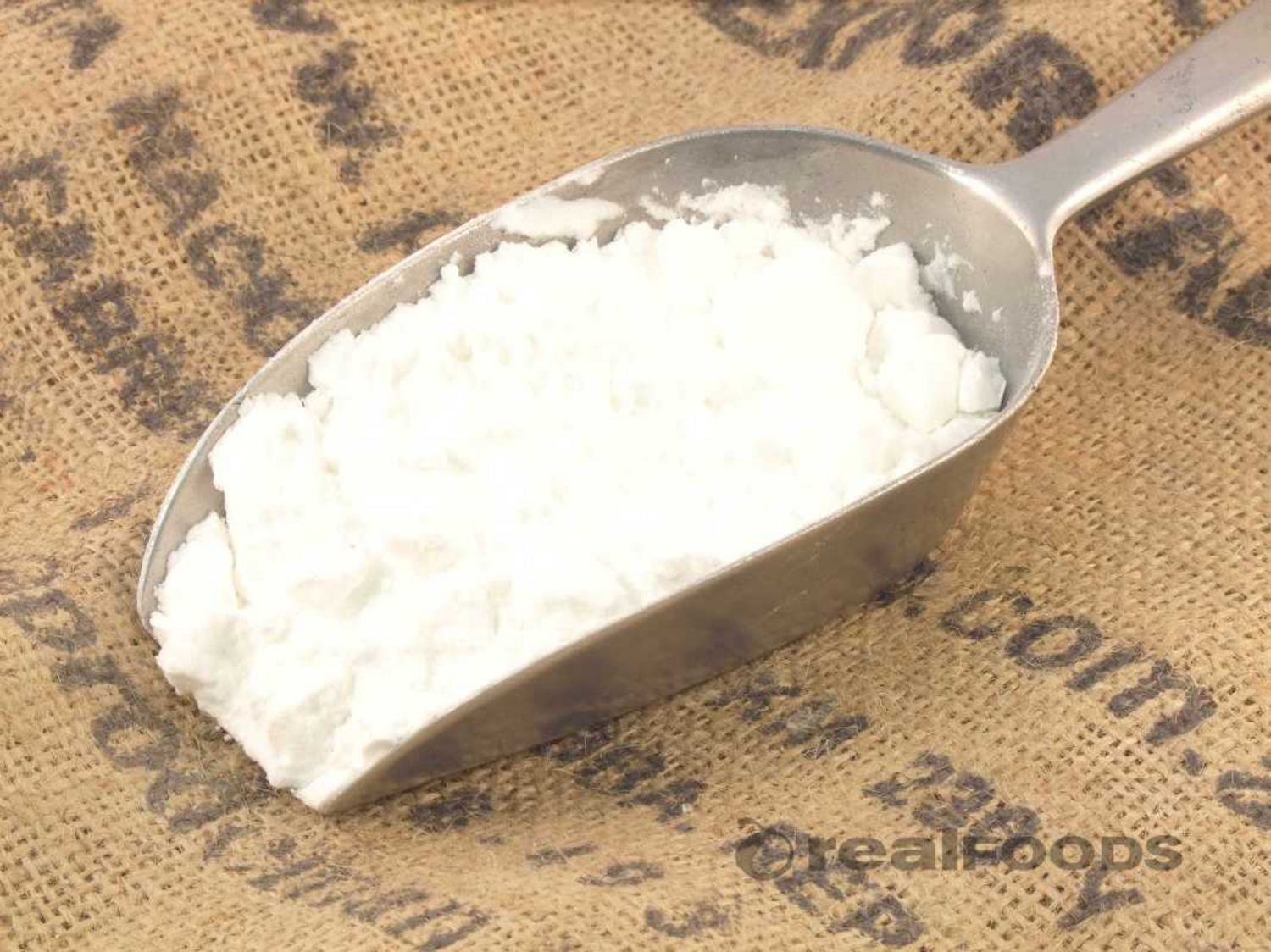
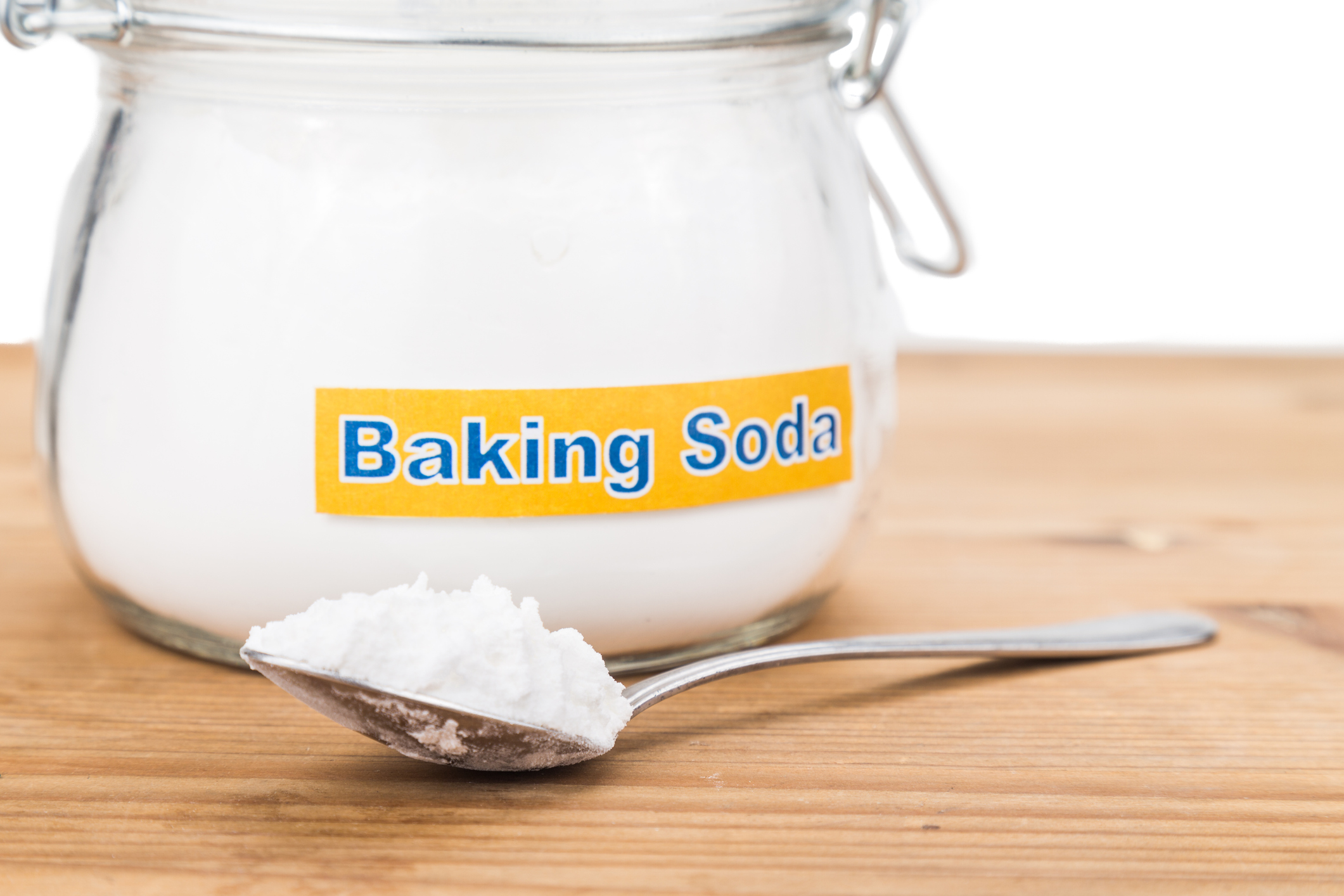
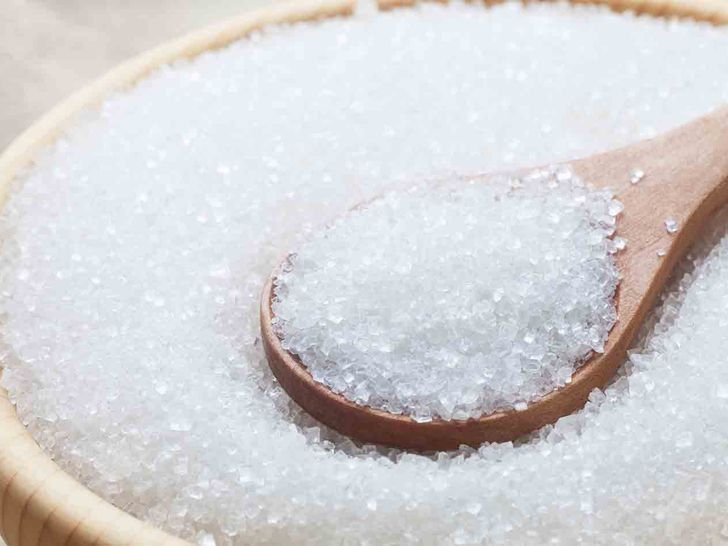
Upload a photo of each powder.
1. Cornflour
2. Baking Soda
3. Salt

4. Sugar
On the black cardboard using a microscope you need to record what you see. You will be given a small amount of 4 white powders on your cardboard. Look at them under your microscope and record what you see.
Do not mix the powders or taste the powders.
Findings:
Sugar
|
Salt
|
Baking Soda
|
Cornflour
| |
Appearance
| White powder | White powder | White powder | White powder |
Texture
| Course | Course | Medium | Fine |
Smell
| Nothing | Bad | Bad | Bad |
Iodine
| It turned brown. | It turned orange. | No reaction. | No reaction. |
Water
| Absorbed | Absorbed | No reaction. | Absorbed. |
Vinegar
| Crystallisation. | Fizzed | Bubbled | No reaction. |
Write a paragraph about your findings.
With the iodine half of the did not have a reaction. But the Sugar and salt had a very big reaction. They started to change colour the salt turned orange and sugar turned brown. The with the vinegar most of the powders had a reaction except the cornflour. The sugar crystallised the salt turned fizzy, then the baking soda bubbled. Lastly the water most of the powders had a reaction. The sugar, salt and cornflour were absorbed by the water. While the Baking soda showed no reaction.
Friday, 15 March 2019
Plants
AIM: TO LEARN ABOUT THE NATURE OF PLANTS
Plants fall into two categories:
1. Evergreen
2. Deciduous
 |
| Deciduous |
 |
| Evergreen |
Evergreen:
1. Pine
2. Kauri
3. Titoki
Deciduous;
1. Oak
2. Maple
3. Hickory
LEAVES
 |
Simple Compound |
MY LEAF COLLECTION
1.
Plant type:Evergreen
Leaf type: Compound
Leaf colour: Green
Leaf colour: Green
Photo of leaf:

2.
Plant type: Evergreen
Leaf type: Compound
Leaf colour: Green
Photo of leaf:

3.
Plant type: Deciduous
Leaf type: Simple
Leaf colour: Green
Photo of leaf:

4.
Plant type: Evergreen
Leaf type:Compound
Leaf colour: Green
Photo of leaf:

5.
Plant type: Deciduous
Leaf type: Simple
Leaf colour: Green
Photo of leaf:

RESEARCH 4 TYPES OF PLANTS
Carnivorous plants
Pine trees
Fruit trees
NZ Natives
Title: Carnivorous plants
1. Venus flytrap
2. California pitcher plant
3. Cephalotus follicularis
4. Drosera capensis
Habitat: Swamps
Country: America, Africa, Asia
Climate: Hot
Title: Pine trees
1. Western white pine
2. Sugar pine
3. Long leaf pine
4. Red pine
Habitat: Forest
Country: America,
Climate: Any
Title: Fruit trees
1. Apple tree
2. Orange tree
3. Peach tree
4. Grape tree
Habitat: Any
Country: Any
Climate: Spring
Title: NZ Natives
1. Kauri
2. Kowhai
3. Pohutakawa
4. Titoki
Habitat: Coastal
Country: New Zealand
Climate: Any
Food chain
Food chain
Definition: a series of organisms each dependent on the next as a source of food.

Create 4 food chains using NZ wetlands plants and animals . Use the food chain above as an example.

Grass ➝ Grasshopper ➝ Bird ➝ Snake ➝ Owl

Grass ➝ Grasshopper ➝ Mouse ➝ Owl

Leaves ➝ Insect ➝ Frog ➝ Snake ➝ Hawk ➝ Mushrooms

Grass ➝ Grasshopper ➝ Frog ➝ Python ➝ Eagle
Subscribe to:
Posts (Atom)