Pages

Wednesday, 4 March 2020

Athletics Practice

Athletics Practice

In P.E. we have been practising for athletics. When we first started P.E. we wrote down how we did with different events. Then now a few weeks later we have redone the same events. Our goal was to see the difference between when we started and when we finished.


Before
After
Shot put
3.06 metres
3.82 metres
Long jump
2.40 metres
2.00 metres
High jump
n/a
n/a
Sprints
11.74
15.00
Long distance
n/a
100m - 28 
200m - 1.32
400m - 3.47
1500m - 14.52
Discus
7.10 metres
8.70 metres
In some events I improved while in others I did not. For shot put I improved by 0.76 metres which is better than I thought I would. But with long jump and sprints the result went down. When I started with sprints I was at 11.74 seconds but now I am at 15 seconds. This is the same with long jump before when jumping for the 2 metre line I got 2.40 meters now I have only 2 meters. I think this is because I have become a lot slower. But in long distance I did better than I thought I would. We only did long distance once. For 100 metres I got 28 seconds, 200 meters 1 minute and 47 seconds. 400m I got 3.47 seconds and lastly 1500 metres I got 14 minutes and 52 seconds. Lastly discus, discus was the one I really improved at I started and 7.10 metres and now I can throw 8.70 metres. I think this is because I learnt the proper way to throw.

Tuesday, 3 March 2020

Food Safety and Hygiene

Food Safety and Hygiene

In cooking we are learning about food safety and hygiene. I will be writing a summary of food safety and hygiene.

Summary:
Food safety is when you take the necessary steps to make sure the food is safe. Whether that be cleaning the food or keeping it separated from other foods. Food safety is about making sure the being used it right to eat and enjoyed.

Hygiene is very important when preparing food. Because having good hygiene is good for the food. If your hygiene is bad then there could be chance of cross contamination. Which could result in people getting food poisoning. Having good hygiene can determined the quality of your food.  

Kiwi Baker - Scones

Kiwi Baker - Scones

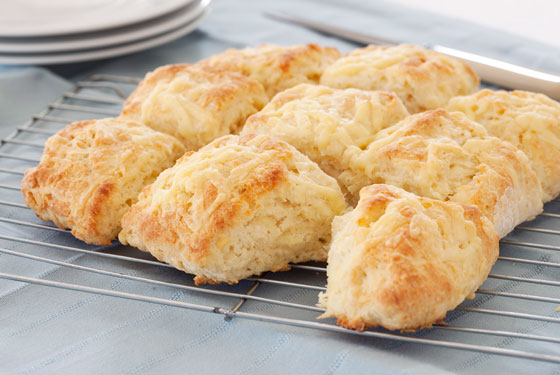
Last week when doing practical the group made scones. They found the the scones they made were not the best looking but tasted good.

On Friday when doing practical we made pizza swirls. I found that the ones that I made we very good. The ingredients combined nicely. But the pastry part of the pizza swirls was a little bit too soft. 

Image result for sconesImage result for pizza swirls

Monday, 2 March 2020

Huruman 3 - Evaporation

Evaporation

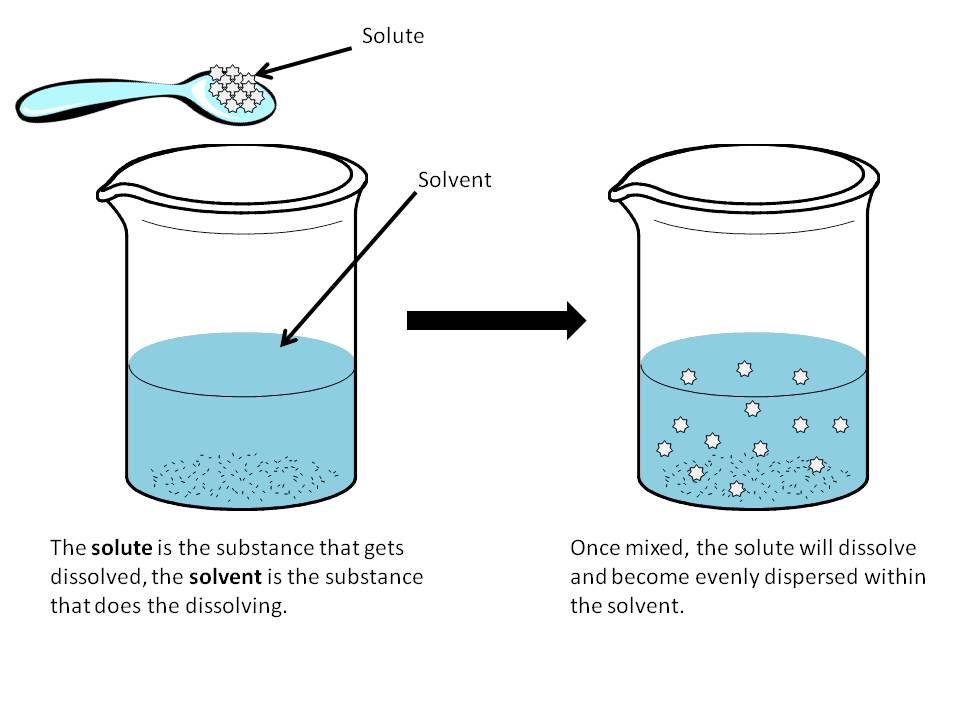
Last week in science we learnt that a solute cannot be filtered from a solution once it has been dissolved.

Why can’t a dissolved solute be filtered?
A dissolved solute can not be filtered because the solute has been dissolved. Meaning that the solute particles are the same as the other material used. So they cannot be separated after that.

What is evaporation?
Evaporation is a process when a liquid turns into a gas. 

How can evaporation be used to separate a solute from a solvent in a solution?
If the solute is salt and the solvent is water then we can separate the salt and water with heat. When heat is added it makes the solvent (water) turn into gas. Leave the solute (salt) behind making the two now separated. 

Image result for dissolved solute


Tuesday, 25 February 2020

Health - Taha Wairua

Taha Wairua - Kindness

In Health we are learning about Taha Wairua (Spiritual Well-Being). Spiritual Well-Being is about your beliefs, values and connect to your whakapapa/ancestry.  So this week we for Taha Wairua we are looking at kindness and are doing the RAK (Random Acts of Kindness) practice. For mine random act of kindness I will be helping people with their school work. It is important to show kindness to others because then others we show kindness in return.

Monday, 17 February 2020

Hurumanu 3 - Solubility Experiment

Solubility Experiment 

Aim: To see if Salt or Baking Soda dissolves more in water.

Hypothesis: I think that Baking Soda will dissolve more than Salt.

Equipment: A 250 mL beaker, 100 mL measuring cylinder, salt, baking soda, a stirring rod, a teaspoon and a ruler.

Method:
1. Fill the beaker with 100 mL of tap water.
2. Add a level teaspoon of baking soda. (A level teaspoon is obtained by running your ruler across the teaspoon).
3. Stir the solution until all of the baking soda has dissolved.
4. Repeat step 2 and 3 until no more baking soda will dissolve into the solution.
5. Record how many teaspoons of baking soda were added.
6. Repeat the experiment, with the table salt.

Results: 

SoluteNumber of teaspoons that dissolve in 80 ml of water
Baking soda3
Salt3

Discussion: This experiment involved dissolving baking soda and salt in water. We pour 1 tea spoon at a time into the water to see how many teaspoons it took until it stopped dissolving.

Conclusion: I thought that salt would dissolve more than baking soda. But my hypothesis was incorrect but the overall experiment was a success. 

Tuesday, 11 February 2020

P.E. - Athlectics

P.E. - Athletics

Today in P.E. we are learning  to properly throw a discus and how to do a fosbury flop.
We first learnt the proper way to hold and throw a discus. We held it and rolled it to our partner then we lined up and threw the discus. After we finished with discus we went into the gym to practise high jump. We lined up and did the fosbury flop. We all participated and had a good time. Because the bar was not there so there was no pressure to jump over it. Then we did it again but jumping off one foot that was more difficult. But at the end I now know how to properly throw a discus and to do the fosbury flop. I really enjoyed P.E. today because the lesson was broken down and really easy to understand.